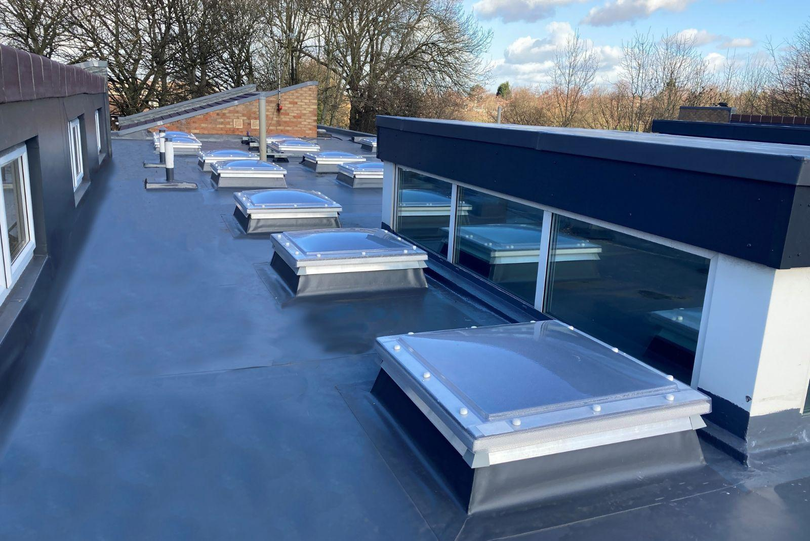

Flat roof dome skylights offer a practical way to bring more daylight into buildings with flat or low-pitched roofs. Their raised dome shape allows them to capture light from different angles throughout the day, making them suitable for homes, offices, extensions, garages, commercial spaces, and other structures.
This guide explains how they work, the main materials available, factors to consider before buying, and what to check when comparing products online.
What Are Flat Roof Dome Skylights?
Flat roof dome skylights are roof-mounted glazing units designed specifically for roofs with little or no slope. Unlike traditional sloped roof windows, their curved upper surface projects above the roofline.
The dome shape serves several purposes. It helps direct natural light into the room and provides clearance above the roof surface. Depending on the design, the unit may use acrylic, polycarbonate, glass, or other glazing materials.
The choice of frame, glazing, insulation, and opening mechanism can vary considerably between products. Some are fixed, while others can be opened for ventilation.
How Dome Skylights Bring Natural Light Indoors
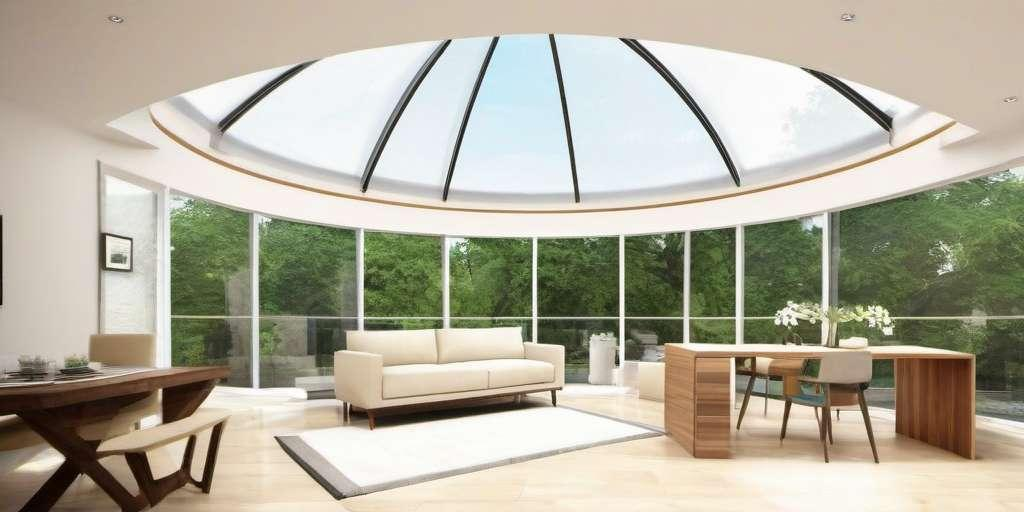
Natural daylight can change the appearance of an interior considerably. A roof-mounted skylight introduces light from above rather than relying only on windows positioned in external walls.
The curved surface of a dome can receive daylight from different directions as the sun moves across the sky. This makes the design useful for spaces where conventional windows provide limited illumination.
Light transmission also depends on the glazing material. Clear domes generally provide stronger daylight penetration, while translucent options can spread light more evenly and reduce direct glare.
Common Materials Used for Dome Rooflights
Material selection affects durability, appearance, light transmission, insulation, and maintenance requirements.
Acrylic: Lightweight and commonly used for dome glazing. It can provide good light transmission while keeping the overall unit relatively easy to handle.
Polycarbonate: Known for its impact resistance, making it suitable for locations where additional toughness is desirable. Plastic dome roof lights may use polycarbonate or acrylic depending on the product.
Glass: Offers a more traditional appearance and can provide excellent optical clarity. Double- or triple-glazed options may also provide improved thermal performance.
The right material depends on the building, roof construction, climate, expected use, and desired appearance.
Choosing the Right Size and Shape
Size should be based on the room, roof structure, and amount of daylight required. A larger skylight generally allows more light into the space, but it also requires sufficient roof area and appropriate structural support.
The shape matters as well. Dome profiles are available in different heights and dimensions, while some products use more pronounced curves than others.
Before ordering, check the manufacturer’s stated dimensions carefully. Pay attention to the overall external size, opening size, curb dimensions, and installation requirements rather than relying on a product name alone.
Fixed or Opening Dome Skylights?
A fixed dome is designed primarily to provide daylight. It has fewer moving components and may be suitable for rooms where additional ventilation is unnecessary.
Opening models can provide both daylight and airflow. Manual opening mechanisms may work well in accessible areas, while electrically operated systems can be useful where the skylight is installed out of reach.
The best choice depends on the purpose of the room. Kitchens, bathrooms, workshops, and other areas that benefit from ventilation may be better suited to an opening design.
Understanding Thermal Performance
A skylight forms part of the building envelope, so thermal performance deserves attention. The glazing configuration, frame design, seals, and installation method can all affect heat transfer.
Single-layer plastic glazing may have different insulation characteristics from insulated glass or multiwall polycarbonate systems. For buildings where heating and cooling costs matter, review the product’s thermal specifications before purchasing.
A correctly installed unit should also have suitable flashing and weatherproof seals to reduce the risk of water entering around the roof opening.
Comparing Dome Skylights for Sale
When reviewing dome skylights for sale, price should not be the only comparison point. Two products with similar dimensions can differ considerably in glazing, frame construction, opening mechanism, warranty, and installation requirements.
Create a simple comparison based on:
- Overall dimensions
- Glazing material
- Light transmission
- Thermal performance
- Opening mechanism
- Frame material
- Weatherproofing
- Installation method
- Warranty
- Delivery costs
This approach makes it easier to identify which product fits the building rather than simply choosing the cheapest option.
What to Check Before Buying Online
Online purchasing provides access to a wide range of rooflight designs, but product specifications need careful attention. Check technical drawings and measurements before placing an order.
Online dome rooflights should include clear information about dimensions, glazing, fixing details, compatibility, and any required accessories. Installation instructions are also useful, particularly when the product is intended for a roof type with specific construction requirements.
It is also sensible to check delivery packaging and return information. Large or fragile roof products require appropriate protection during transportation.
Installation Considerations for Flat Roofs
Installing a skylight involves more than creating an opening in the roof. The roof structure must be assessed, and the opening needs suitable support.
The curb or upstand should be compatible with the skylight and properly integrated with the existing waterproofing system. Flashing, seals, and membranes must be installed according to the roof manufacturer’s requirements.
Poor installation can lead to leaks, condensation, heat loss, or damage around the roof opening. For that reason, complex installations are usually best handled by a qualified roofing professional.
How to Purchase Dome Rooflights Wisely
Anyone planning to purchase dome rooflights should start with measurements and technical requirements rather than browsing by appearance alone.
Consider the room’s dimensions, roof construction, desired amount of daylight, ventilation needs, glazing preference, and available installation space. Then compare products that meet those requirements.
For buyers planning to buy dome rooflights online, reviewing specifications and installation documentation before ordering can prevent common sizing and compatibility problems.
Maintenance and Long-Term Care
Dome skylights generally require straightforward maintenance. Dirt, dust, leaves, and other debris can reduce the amount of daylight passing through the glazing.
Cleaning should follow the manufacturer’s recommendations, particularly for plastic glazing that may be susceptible to scratching from abrasive materials. Inspect seals and surrounding roof areas periodically for signs of deterioration.
Opening skylights may require additional checks around hinges, handles, motors, or other operating components.
Final Thoughts
Flat roof dome skylights can provide natural illumination while making use of roof space that would otherwise remain closed. Their dome profile, glazing choices, ventilation options, and range of sizes make them suitable for many residential and commercial applications.
A successful purchase depends on matching the skylight to the roof structure, room requirements, glazing preferences, and installation method. Careful comparison of specifications can help buyers select a product that provides useful daylight and dependable long-term performance.