
The internet has become an essential part of everyday life, helping people communicate, learn, shop, work, and explore new opportunities. However, with millions of websites, applications, and digital services available, finding reliable information quickly can sometimes feel overwhelming. Good internet navigation skills help users move through the online world more efficiently while avoiding confusion and unnecessary risks. Whether browsing for entertainment, research, or professional needs, learning smarter ways to explore digital spaces can make the experience smoother. For users looking for different online options, resources such as luxury138 alternatif show how varied online destinations can be discovered with the right approach.
Understanding the Basics of Internet Navigation
Internet navigation refers to the process of moving through websites, search engines, digital platforms, and online resources to find useful information. Many people use the internet daily without thinking about navigation techniques, but improving these skills can save time and increase productivity.
A strong understanding of browser features, search methods, and website structures allows users to locate information more effectively. Instead of randomly clicking through pages, skilled internet users know how to identify trustworthy sources, organize their searches, and reach their goals with fewer steps.
Modern websites are designed with menus, search bars, categories, and links to guide visitors. Understanding these common features makes it easier to explore unfamiliar websites and discover relevant content without frustration.
Use Search Engines More Effectively
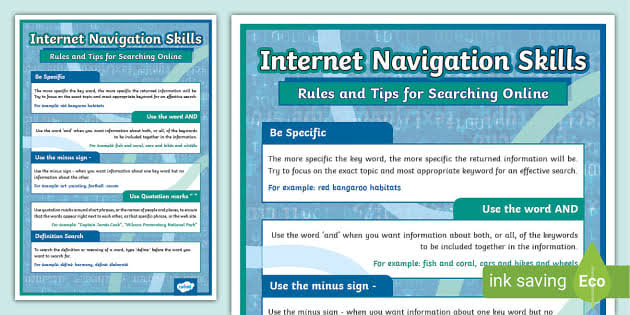
Search engines are among the most powerful tools for internet navigation. However, many users do not take full advantage of advanced search techniques. Writing clear and specific search queries can dramatically improve results.
Instead of searching for broad terms, users should include important details. For example, a search for “healthy recipes” may provide millions of results, while “quick vegetarian dinner recipes for beginners” produces more targeted information.
Using quotation marks around exact phrases, adding extra keywords, and excluding unwanted terms can also improve search accuracy. These simple techniques help users avoid irrelevant pages and focus on information that matches their needs.
It is also helpful to compare results from multiple sources. The first search result is not always the most accurate or useful, so reviewing different pages can provide a more complete understanding of a topic.
Learn to Evaluate Online Information
One of the biggest challenges of internet navigation is identifying reliable information. The internet contains valuable resources, but it also includes outdated, misleading, or incorrect content.
Before trusting information, users should consider the source, publication date, author credibility, and supporting evidence. Websites connected to recognized organizations, experts, or established institutions are often more dependable.
Checking multiple sources is another useful habit. If several reliable websites provide similar information, users can feel more confident about the accuracy of their findings.
Developing critical thinking skills is essential in the digital age. Good navigation is not only about finding information but also about understanding whether that information deserves trust.
Organize Bookmarks and Digital Resources
Bookmarks are simple tools that can greatly improve browsing efficiency. Instead of searching for the same websites repeatedly, users can save important pages for quick access.
Creating folders for different categories, such as work, education, news, hobbies, or personal interests, helps maintain organization. A well-managed bookmark system reduces time spent searching and makes frequently used resources easier to reach.
Users can also maintain digital notes or lists of useful websites. This approach is especially helpful for students, researchers, and professionals who regularly collect information from different online sources.
Improve Browser Awareness
Web browsers offer many features that can enhance internet navigation. Understanding these features allows users to browse more comfortably and securely.
Tabs help users manage multiple pages at the same time without opening numerous browser windows. Private browsing options can provide additional privacy on shared devices, while browser history makes it easier to revisit recently viewed pages.
Users should also keep their browsers updated. Updates often include security improvements, performance enhancements, and new features that create a better browsing experience.
Learning keyboard shortcuts can further improve efficiency. Simple actions such as opening new tabs, searching within pages, and switching between windows can become faster with practice.
Prioritize Online Safety
Safe internet navigation is just as important as finding information quickly. Users should develop habits that protect personal data and online accounts.
Creating strong passwords, enabling security features, and avoiding suspicious links are basic but important steps. Many online threats begin with simple mistakes, such as clicking unknown attachments or entering information on unreliable websites.
Users should carefully review website addresses before sharing personal details. Secure websites often use protective measures to help safeguard information, but caution is still necessary when interacting online.
Regularly reviewing privacy settings on websites and applications can also improve control over personal information. Understanding what data is shared and how it is used helps users make better digital decisions.
Avoid Information Overload
The internet provides endless amounts of information, but having too many options can create confusion. Information overload happens when users encounter more content than they can process effectively.
Setting clear goals before browsing can help reduce unnecessary distractions. Knowing what you want to find allows you to focus on relevant sources rather than spending excessive time exploring unrelated content.
Taking breaks from constant online activity can also improve focus. A balanced approach to internet use helps users stay productive while still enjoying the benefits of digital technology.
Use Technology to Improve Productivity
Internet navigation is not only about finding websites; it is also about using online tools effectively. Many digital platforms offer features that help users manage tasks, communicate, and organize information.
Cloud storage services, online calendars, collaboration platforms, and digital note-taking tools can simplify daily activities. Learning how these tools work can improve efficiency in both personal and professional environments.
Automation features can also save time. Many applications allow users to schedule tasks, organize files, or receive updates automatically, reducing the need for repetitive actions.
Develop Better Reading Habits Online
Online reading is different from reading printed material. Websites often contain advertisements, links, images, and interactive elements that can distract users.
To navigate online content effectively, readers should focus on the main purpose of a page. Skimming headings, summaries, and highlighted sections can help determine whether a source is useful.
When researching important topics, deeper reading is necessary. Taking notes, comparing information, and reviewing key points can improve understanding and retention.
Be Aware of Digital Trends
The internet constantly changes, with new platforms, technologies, and browsing methods appearing regularly. Staying aware of digital trends helps users adapt and make better choices online.
New tools based on artificial intelligence, improved search systems, and advanced security features continue to influence how people interact with the internet. Learning about these developments can make navigation easier and more efficient.
However, users should avoid adopting every new trend without understanding its purpose. Choosing tools based on actual needs is more valuable than simply following popularity.
Teach and Share Good Navigation Practices
Better internet navigation benefits not only individuals but also communities. Sharing knowledge about safe browsing, reliable research, and efficient online habits helps others become more confident internet users.
Parents, teachers, and professionals can play an important role in encouraging responsible digital behavior. Helping others understand online risks and opportunities creates a more informed digital environment.
Small improvements in daily browsing habits can make a significant difference. Even simple actions, such as checking sources and organizing resources, contribute to better internet experiences.
The Future of Internet Navigation
As technology continues to develop, internet navigation will become even more advanced. Artificial intelligence, personalized recommendations, and smarter search systems will change how people discover information.
Despite these improvements, human judgment will remain important. Technology can help users find content faster, but people still need critical thinking skills to evaluate and use information responsibly.
The future of internet navigation will depend on combining powerful digital tools with smart decision-making. Users who continue learning and adapting will be better prepared for an increasingly connected world.
Conclusion
Better internet navigation is a valuable skill that improves efficiency, safety, and confidence in the digital world. By using search engines wisely, evaluating information carefully, organizing resources, protecting privacy, and staying updated with technology, users can create a more productive online experience.
The internet offers endless possibilities, but making the most of it requires thoughtful habits and responsible choices. With the right strategies, anyone can navigate digital spaces more effectively and enjoy the many advantages that modern technology provides.