
A luxury bathroom is not defined by the price tag on a tap or the size of the bathtub. The difference is usually found in the planning. Proportions, lighting, storage, materials, fixtures, ventilation, and small functional details all contribute to how the room feels and performs.
A well-planned luxury bathroom remodeling project can turn an outdated bathroom into a private space that feels comfortable, practical, and visually distinctive. The design should work just as well during a rushed weekday morning as it does during a quiet evening at home.
Start With the Layout
A beautiful bathroom can still feel awkward if the layout is poorly planned.
The position of the shower, vanity, toilet, bathtub, doors, and storage should allow people to move around comfortably. A renovation may provide an opportunity to correct problems that have been present since the original bathroom was built.
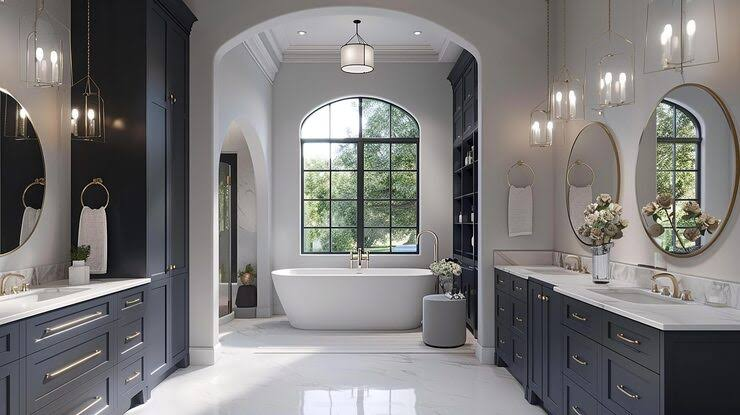
For larger bathrooms, homeowners may have enough space to create separate wet and dry zones. A freestanding bathtub can become a visual feature, while a spacious shower can occupy another section of the room.
Smaller bathrooms require more careful use of available space. Wall-mounted vanities, recessed storage, large-format tiles, and frameless shower screens can help maintain an open appearance without sacrificing useful features.
Materials Set the Tone
Luxury bathrooms often rely on a restrained selection of high-quality materials rather than filling every surface with decorative elements.
Natural stone, porcelain, engineered surfaces, premium tile, quality timber-look finishes, and carefully selected hardware can create a distinctive appearance.
The material needs to suit the environment as well as the design. Bathroom surfaces are exposed to water, humidity, cleaning products, and regular use, so durability should be considered before installation.
Large-format tiles can reduce the number of grout lines and create a cleaner visual effect. Smaller tiles may be useful for shower floors or areas where additional slip resistance and shaping are required.
Lighting Deserves More Attention
Bathroom lighting is often treated as an afterthought, yet it can change the appearance and usability of the entire room.
A layered lighting plan may include general ceiling lighting, task lighting around the vanity, accent lighting, and softer illumination for evening use.
Mirror lighting is particularly useful. Lights positioned incorrectly can create harsh shadows across the face, making shaving, grooming, and applying makeup more difficult.
Warm, adjustable lighting can also create a more relaxed atmosphere when the bathroom is being used as a private retreat.
A Shower Can Become the Centrepiece
The shower is one of the most frequently used parts of the bathroom, so it deserves careful consideration.
A larger walk-in shower can provide more usable space, while a rain showerhead combined with a handheld fitting can offer flexibility.
Multiple shower outlets may be appropriate in larger bathrooms, but water pressure and plumbing capacity should be assessed before specifying them.
Glass selection also affects the visual character of the room. Frameless or minimally framed screens can make the bathroom feel more open and allow feature tiles or stonework to remain visible.
Freestanding Baths Need the Right Setting
A freestanding bathtub can create a strong visual focal point, but it should not simply be added because it looks good in a showroom.
The room needs sufficient space around the bath for comfortable access and cleaning. Plumbing locations, floor structure, water supply, drainage, and the bath’s weight should also be considered.
The position of the bathtub can influence the entire room layout. Placing it near a window may provide natural light, while positioning it opposite a feature wall can make the bath part of the overall composition.
Custom Storage Keeps Clutter Out of Sight
Luxury design tends to work better when everyday items are not scattered across countertops.
Custom cabinetry can provide dedicated storage for towels, toiletries, cleaning products, hair tools, and other bathroom essentials.
Drawer configurations can be designed around the items that need to be stored, while recessed niches can provide convenient storage inside the shower.
Electrical outlets can also be planned within cabinetry where appropriate, making it easier to store and use appliances without covering the vanity.
Hardware Can Change the Character of the Room
Tapware, shower fittings, handles, towel rails, and other hardware may be relatively small components, but they contribute strongly to the overall appearance.
Brushed metal, polished finishes, matte black, brass tones, and other options can create very different styles.
The finishes should be coordinated rather than randomly mixed. A carefully selected combination can give the bathroom a more considered appearance without making every fitting identical.
Quality matters here because bathroom hardware is exposed to moisture and frequent handling.
Underfloor Heating Adds Everyday Comfort
Underfloor heating is one of those features that may not dominate photographs but can make a noticeable difference to daily use.
Electric or hydronic systems can provide warmth across tiled floors, depending on the property and project requirements.
The system should be planned before flooring is installed because the heating elements and controls need to be integrated into the floor construction.
A suitable thermostat can also help manage operating times and temperatures.
Ventilation Should Never Be Sacrificed for Design
Bathrooms produce significant amounts of moisture. Without effective ventilation, condensation can contribute to mould, deteriorating finishes, and other building problems.
An exhaust fan should be appropriately sized for the room and installed correctly. Larger luxury bathrooms may require more careful ventilation planning, particularly where there are enclosed shower areas or limited natural ventilation.
A beautifully designed bathroom still needs to handle humidity effectively.
Smart Features Have Their Place
Technology can be included in a luxury bathroom, but it should serve a practical purpose.
Heated mirrors, sensor lighting, programmable underfloor heating, smart toilets, digital showers, and integrated audio are examples of features that can be incorporated into a renovation.
The best additions are those that improve everyday use rather than simply adding another feature to the specification.
Electrical work should be planned by appropriately qualified professionals, particularly around wet areas.
Budget for What Will Be Hidden
Some of the most valuable work in a bathroom renovation will never appear in the finished photographs.
Waterproofing, plumbing, drainage, electrical work, ventilation, wall preparation, floor preparation, and structural changes all affect the longevity of the renovation.
Cutting costs on these elements can create expensive problems later.
A realistic budget should therefore account for both visible finishes and the work behind them. Premium tiles and fittings will not compensate for poor waterproofing or inadequate drainage.
Luxury Should Still Feel Practical
A successful luxury bathroom remodeling project combines visual quality with everyday usability.
The most memorable bathrooms are not necessarily the ones with the most expensive materials. They are spaces where the layout feels natural, storage is easy to access, lighting works at different times of day, fixtures are comfortable to use, and every material has been selected for the conditions it will face.
A thoughtful renovation can make the bathroom feel special without making it impractical. The luxury is found in the details people notice every day: warm floors, good lighting, quiet ventilation, ample storage, comfortable water pressure, and a layout that simply makes sense.