
The Nissan Patrol GU with the TD42 engine has earned a strong reputation among four-wheel-drive owners, touring enthusiasts, and people who expect their vehicle to handle demanding conditions. Much of that reputation comes from the engine’s straightforward mechanical design and strong torque delivery.
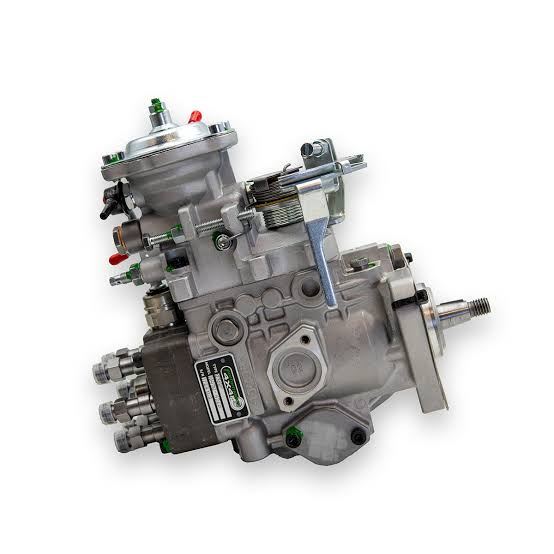
At the centre of that fuel system is the GU TD42 injector pump. Its job is far more significant than simply moving diesel from the tank to the engine. The pump controls the amount of fuel delivered and the timing of that delivery, helping determine how the engine starts, idles, responds to the throttle, and produces power under load.
Understanding the injector pump can make troubleshooting and performance planning much easier.
What Does the TD42 Injector Pump Do?
The injector pump supplies fuel to the engine at the pressure and timing required for combustion.
On a mechanically injected diesel engine such as the TD42, the pump plays a major role in controlling fuel delivery. When the accelerator is pressed, the pump responds to the driver’s input and adjusts fuel delivery accordingly.
Its condition can therefore affect several aspects of engine behaviour, including:
- Starting performance
- Idle quality
- Throttle response
- Smoke levels
- Fuel consumption
- Torque delivery
- Overall engine performance
A worn or poorly calibrated pump may prevent an otherwise healthy engine from performing properly.
Signs That the Pump May Need Attention
Injector pump problems do not always appear as a complete failure.
Some owners may notice difficult starting, especially when the engine is warm. Others may experience excessive smoke, inconsistent idle speed, sluggish acceleration, or reduced pulling power.
Fuel leaks around the pump can also indicate a problem with seals or other components.
Common warning signs can include:
Hard starting: The engine may require extended cranking before firing.
Poor throttle response: The engine may feel slow to respond when the accelerator is pressed.
Excessive smoke: Changes in fuel delivery can affect the air-to-fuel balance and combustion.
Uneven idle: A rough or inconsistent idle may point toward fuel-system issues, although other engine problems can produce similar symptoms.
Reduced power: A vehicle that has gradually lost performance may have a fuel delivery problem among several possible causes.
These symptoms should not automatically be blamed on the injector pump. Filters, injectors, fuel lines, air intake restrictions, turbocharger condition, and engine health should also be checked.
Rebuilding Versus Replacing the Pump
A worn GU TD42 injector pump does not necessarily need to be replaced with another complete unit.
A specialist diesel workshop can inspect and rebuild the pump where appropriate. Rebuilding may involve replacing worn internal components, seals, and other parts before calibrating the pump to the required specifications.
The condition of the pump determines whether rebuilding is practical. A badly damaged unit may require more extensive work or replacement.
Calibration is particularly important after rebuilding. The pump should be tested using appropriate equipment rather than simply installed and adjusted by guesswork.
A properly calibrated pump can help restore consistent fuel delivery and engine operation.
Performance Upgrades Require More Than Extra Fuel
The TD42 is popular among owners who want additional performance, particularly for touring, towing, and off-road applications.
Adjusting the injector pump can increase fuel delivery, but adding fuel alone is not a complete performance strategy.
A diesel engine needs sufficient air to burn additional fuel effectively. Turbocharger upgrades, intercooling, exhaust improvements, and appropriate engine tuning may therefore form part of a broader performance build.
Adding excessive fuel without adequate airflow can increase smoke and exhaust gas temperatures without producing the desired usable power.
For a vehicle that regularly carries heavy loads or travels long distances, controlled power delivery is generally more useful than chasing maximum output.
Injector Pump Setup Matters After Turbo Upgrades
A turbocharger changes the amount of air entering the engine, which can change how the fuel system should be calibrated.
A TD42 fitted with a larger or more efficient turbo may have different fueling requirements from a completely standard engine.
The injector pump and turbocharger should therefore be considered together.
Fuel delivery that works well with one turbo setup may not be suitable for another. Pump adjustments should also account for exhaust gas temperatures and the way the vehicle is actually used.
A touring Patrol that spends hours climbing hills with a trailer has different requirements from a vehicle used for short street drives.
Don’t Forget the Injectors
The pump is only one part of the diesel fuel system.
The injectors must deliver fuel into the combustion chambers with the correct spray pattern and operating characteristics. Worn injectors can affect combustion even when the injector pump itself is operating correctly.
For this reason, troubleshooting should consider the complete fuel system.
A diesel specialist can inspect the pump and injectors together and determine whether the problem originates from fuel delivery, injection components, or another part of the engine.
Replacing or rebuilding one component without checking the rest of the system can result in wasted time and expense.
Fuel Quality and Maintenance Still Matter
Mechanical diesel systems are durable, but they are not immune to contaminated fuel.
Water, dirt, and other contaminants can damage sensitive fuel-system components. A good-quality fuel filter and regular servicing can help protect the injector pump and injectors.
Fuel lines should also be inspected for leaks, damage, or air entering the system.
Maintenance becomes even more important on older Patrols that are used for remote touring. A fuel-system issue hundreds of kilometres from the nearest workshop can become a major inconvenience.
Choosing a Diesel Specialist
Injector pump work requires specialised knowledge and calibration equipment.
A workshop handling a GU TD42 injector pump should understand mechanical diesel systems and have suitable equipment for testing and calibration.
Before authorising major work, owners can ask what testing will be performed, which components will be replaced during a rebuild, and whether the pump will be calibrated after assembly.
It is also useful to explain how the Patrol is used. Information about towing, touring, off-road driving, turbo modifications, and desired performance can help the technician recommend an appropriate setup.
A Good Pump Is About More Than Peak Power
The injector pump has a direct influence on how the TD42 behaves. Starting, idle quality, throttle response, smoke, torque, and fuel delivery can all be affected by its condition and calibration.
For standard vehicles, proper servicing and calibration may be enough to restore the engine’s original behaviour. Modified engines may require a more carefully matched fuel-system setup.
For owners rebuilding or upgrading their Patrol, the GU TD42 injector pump deserves attention alongside the injectors, turbocharger, intercooler, exhaust, and cooling system. A balanced setup can provide useful performance while keeping the engine suitable for the conditions in which it is expected to work.